
Things I’ve Learned is a regular freeskier.com column that gives ski industry veterans the spotlight to share personal experiences and insight gained while working in the sport. We pick the brains of athletes, brand reps and executives, cinematographers, photographers, mountain guides, product gurus, local legends and more.
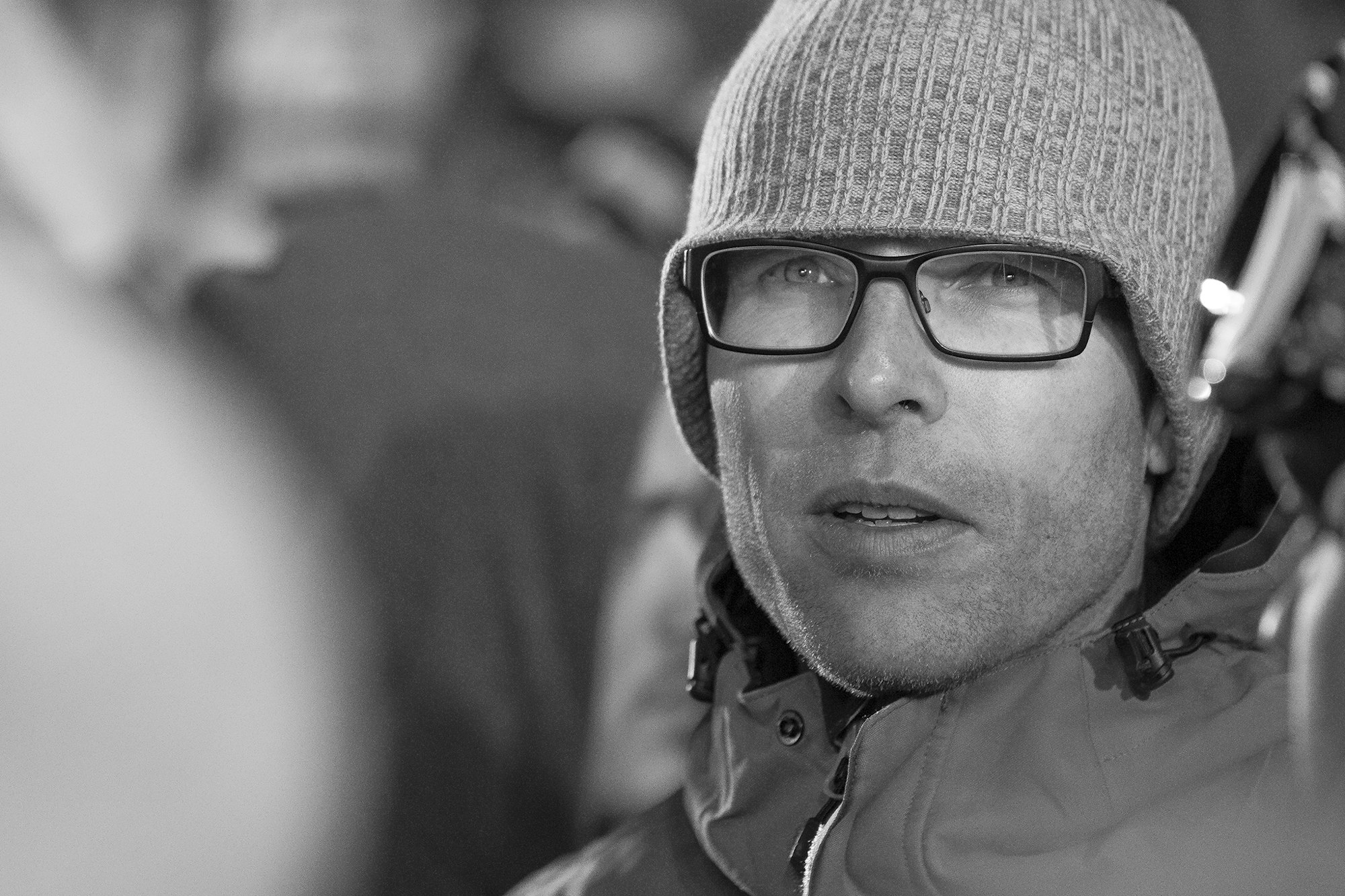
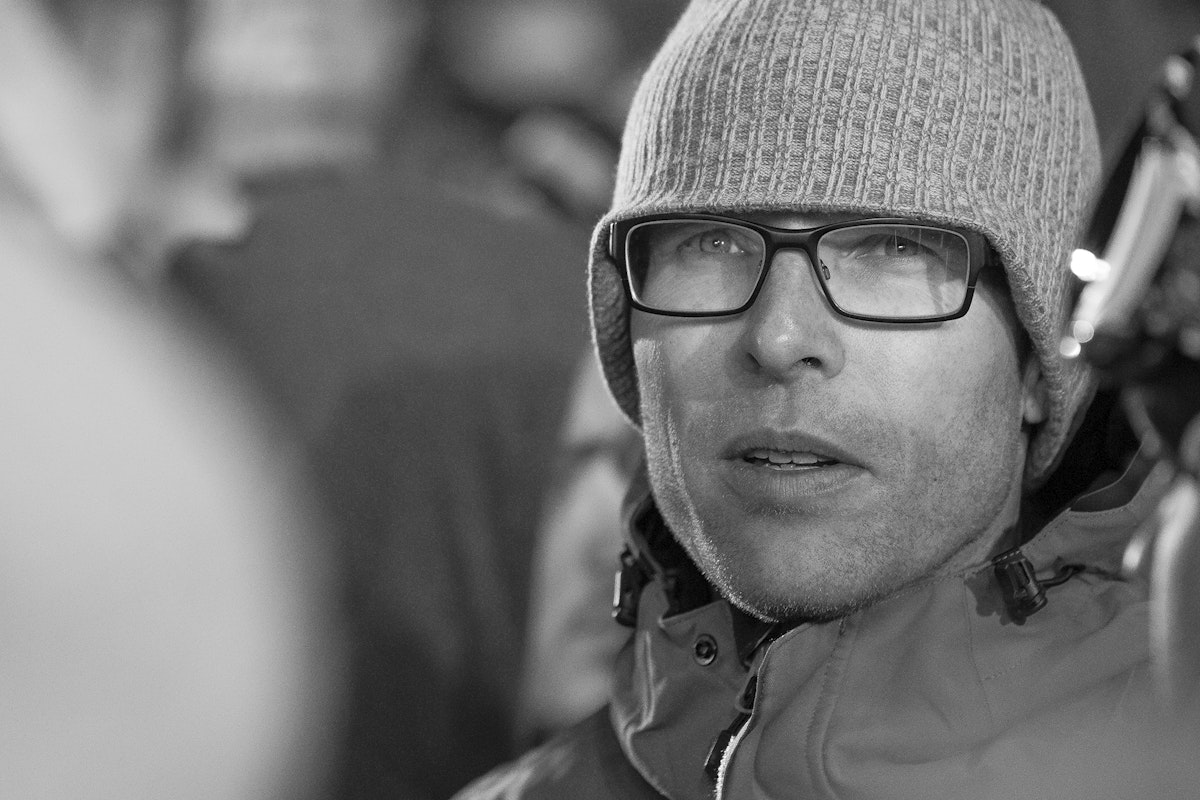
Greg Strokes is the International Sports Marketing Manager at Oakley , and has been flying the brand’s flag since 1997. Strokes is constantly organizing team trips, attending photo shoots and supporting Oakley athletes at events.
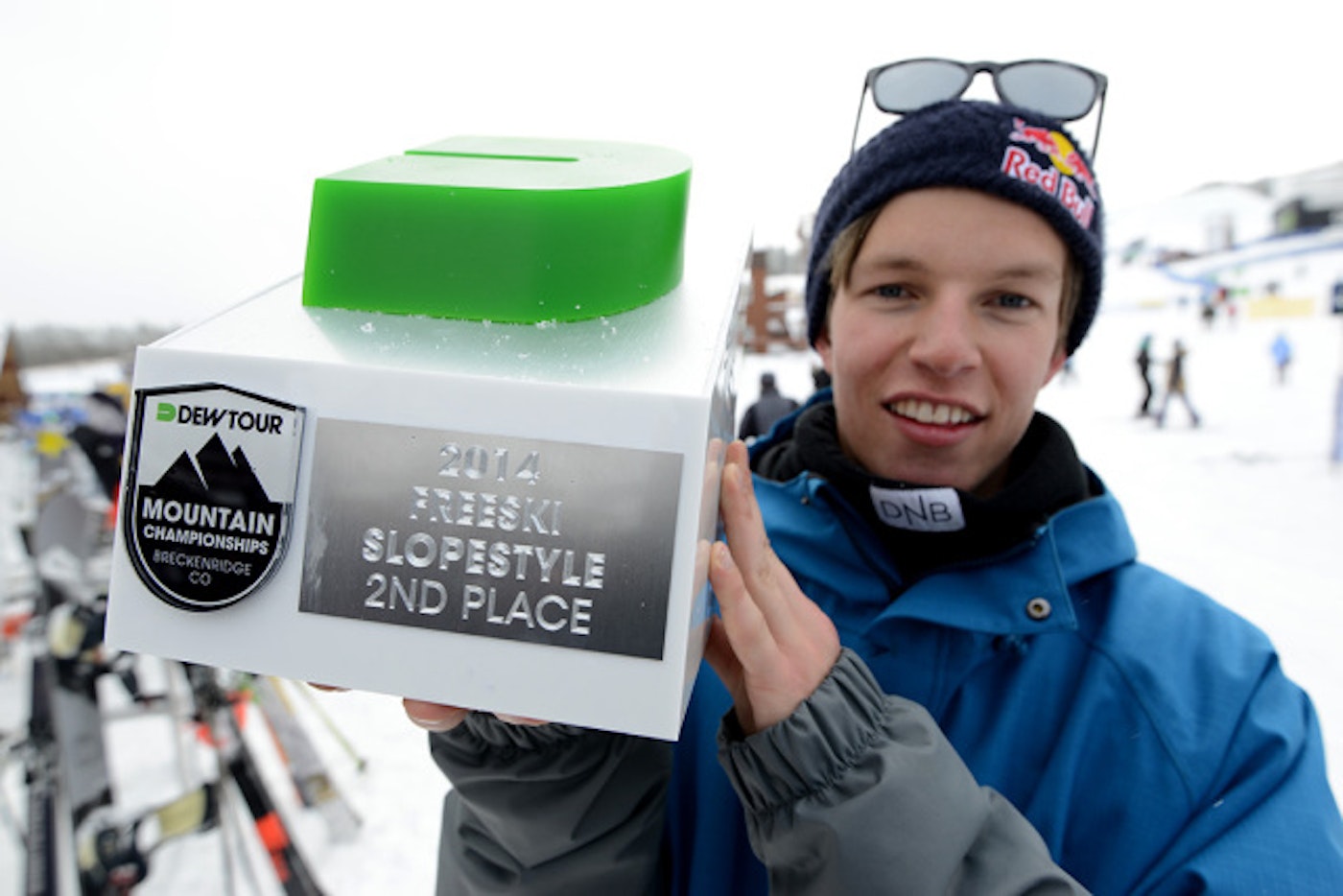
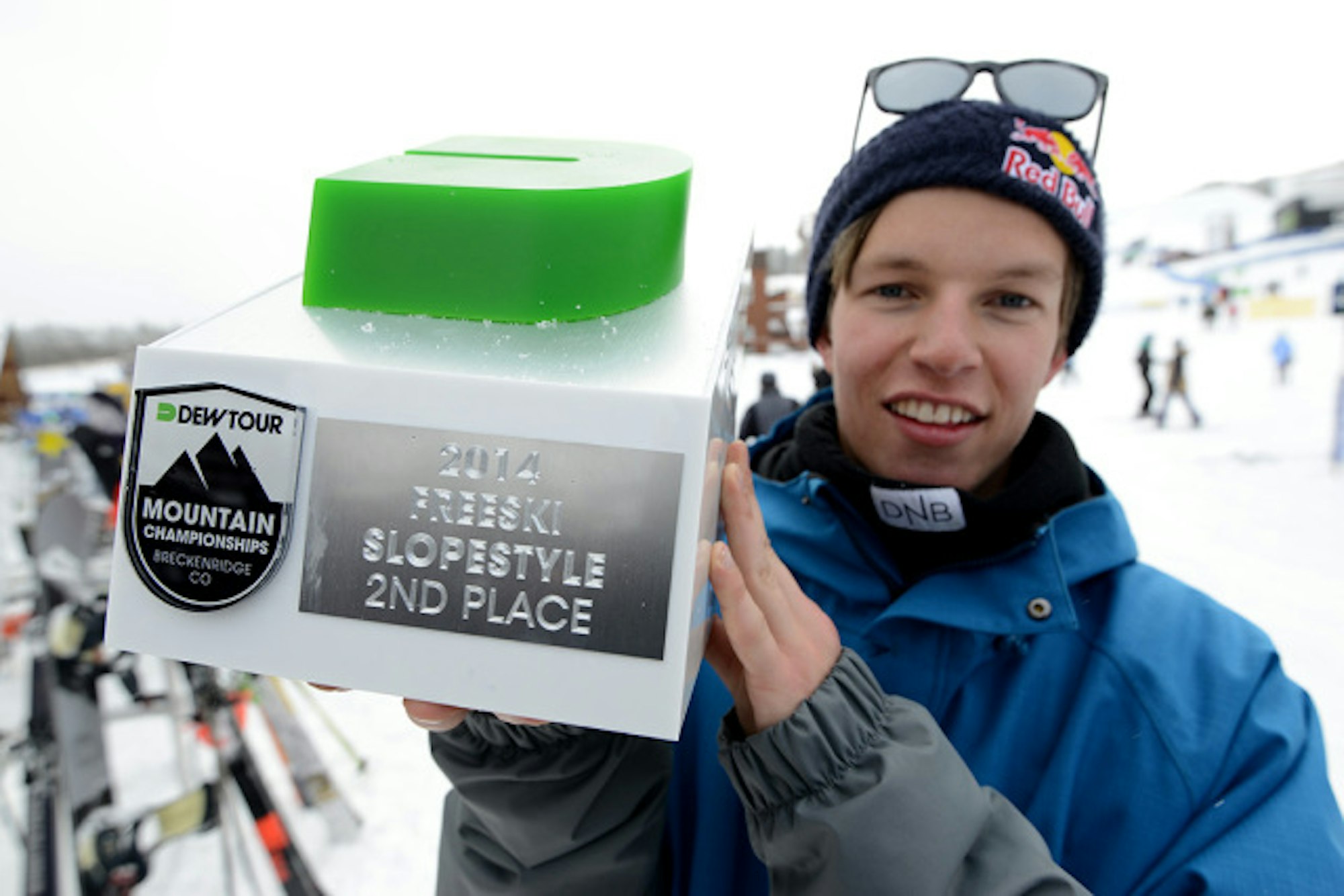
Regarding competitions, Strokes says, “I’m up top in the starting gate at most of the big events, providing a special service to the Oakley ski team.” He adds that an athlete like Simon Dumont takes full advantage of Strokes’ presence, and he “usually changes [Simon’s] lenses at least twice per competition.” However, competitions don’t always go as planned. Concerning an incident at last year’s Dew Tour , “It was windy, cold and snowing hard. The guys were all showing up with dark lenses and I put everyone in Prizm Rose and Prizm Sapphire,” says Strokes. “The comp was almost over and Øystein [Bråten] was about to drop for his last run. He was sitting in third place after his first run. One minute before he had to ski he yelled to me that he needed a new lens. It was full-on panic mode trying to put a new lens in his frozen goggle. He wanted the same Prizm Sapphire lens he used for the first run and there were no more fresh Flight Decks left. Thirty seconds remaining to drop and the television people were yelling at him and I.”
In the end, teammate Joss Christensen stepped up and let Bråten borrow his goggles with the Prizm Sapphire lens, and the Norwegian took second place. But, that’s just a taste of the day-in, day-out stresses Strokes encounters when ensuring the performance of his athlete team.
Aside from the massive amount of work Strokes puts in with athletes at competitions, he’s also consistently getting after it on his own time. From his home base in Aspen, Colorado, you can often find him ripping up the skin track, shredding backcountry lines or taking on the single track with his mountain bike. In this installment of Things I’ve Learned , Strokes opens up about his eighteen years at Oakley, working with a world-class athlete team, product innovations and family life.
Strokes says:
Spending so much time with one company [is unique]. When you jump around from one company to the next, you don’t really get to see the effects of your work. I’ve been lucky enough to test different strategies and really see what works and what doesn’t. If you really want to hone your craft, you’ve got to stick with it. I’ve also been able to develop trust among different departments [at Oakley] that value my opinion when it comes to athletes.
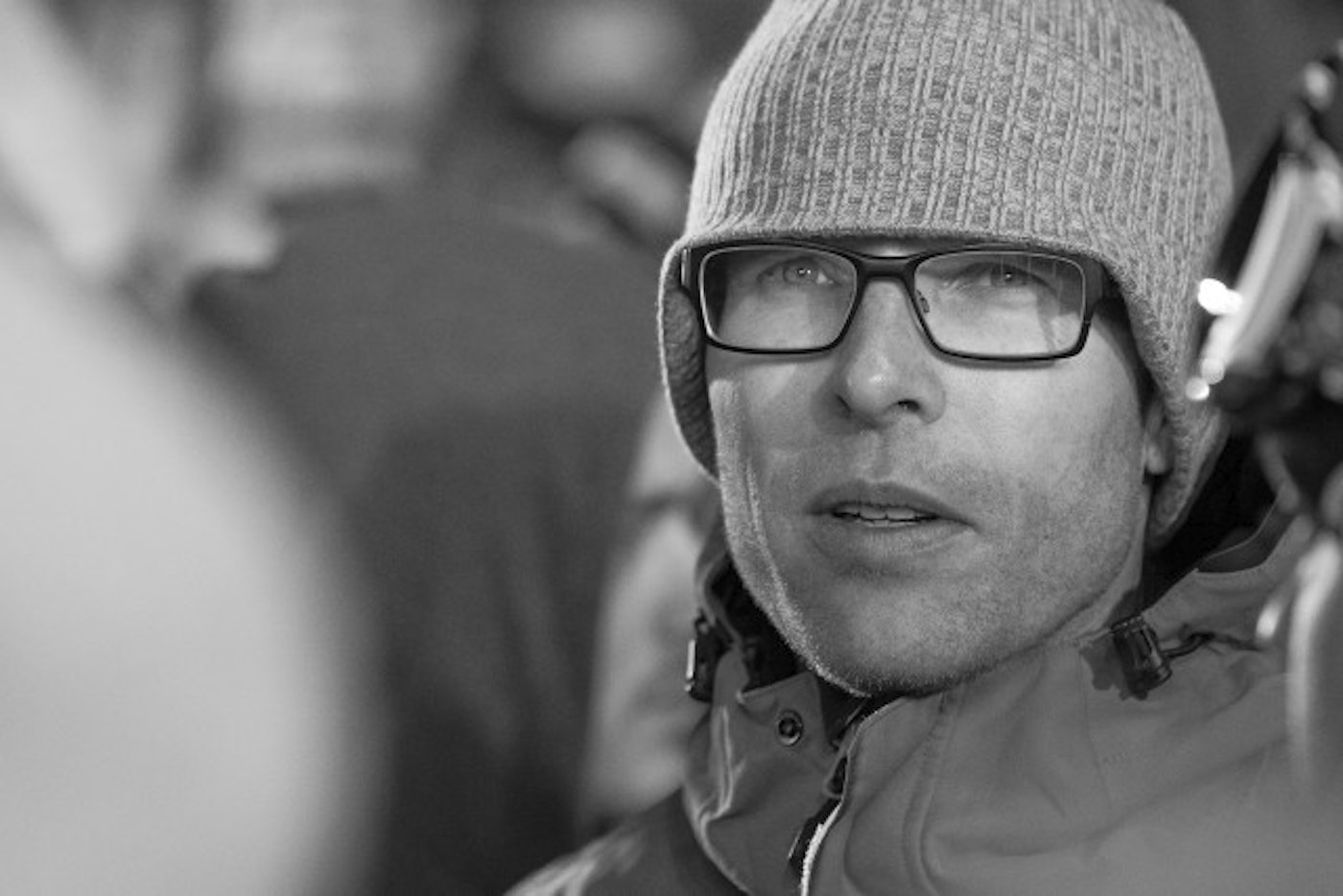
Greg Strokes. Photo by Josh Bishop
My time at Oakley has been full of growth. When I first started out, we were in a small building and only manufactured eyewear. Within a year, we moved to a 600,000 square-foot building designed specifically for Oakley. As the company grew we ran out of space and had to buy other buildings, then move manufacturing and shipping. It’s been fun to watch the company grow over 18 years and manufacture everything from watches to footwear to apparel. At one point, Sports Marketing was a massive department with two people per sport. Now we’re a streamlined, focused unit.
The best part of working at Oakley is how multi-faceted [things have been]. It’s been so many years, it was almost like a college education. I was able to learn about sports marketing, sales, social media, planning, strategy, budgets, etc. I enjoy the ongoing education and the constant honing of my skills. I’ve also always had a solid group of co-workers that I enjoy working and traveling with.
Traveling with athletes is a breeze, usually. Most of the these guys started traveling so young, they know the drill—they’re professionals. I don’t have to do much babysitting. Sure, there’s been lost passports, arrests, jail time, arguments, missing athletes and injuries, but it’s all part of the adventure.
My relationships with athletes are rewarding. It’s been such pleasure to work with these skiers for all these years. I’ve been lucky enough to meet so many different athletes around the world with varied talents and personalities. Every single one of them is so different and unique in their own way. And each ski discipline—freeskiing, alpine, nordic, freestyle—is so different than the other, it’s refreshing to manage so many types of skiers. There are some ups and downs, of course. Some get back to you right away when you ask them for something and with some, it’s like pulling teeth to get an answer for a deadline. Mostly, the athletes are very respectful, humble and the best at what they do.
I’ve seen the sport of skiing grow from the moment I saw that first tape—that’s right, tape—of JF Cusson, Vinnie [Dorian], [Mike] Douglas, [Shane] Szocs and JP Auclair. I knew these were the next breed of skiers. In the beginning, it was a small, tight-knit industry. We all traveled, partied and skied together. Now it’s more structured. Skiers can’t rely on natural talent—everyone has to train.
My favorite ski trip of my career is hard to pick, there are so many. There are four places that come to mind: First was a trip to Val d’Isere, Chamonix and Verbier when we were making Session 1242 in 2003. Pep Fujas, Jon Olsson, Anthony Boronowski, Boyd Easley and I met up with Julien Regnier and JP Auclair. First stop was Val d’Isere for a big air contest that Pep won. We filmed in the backcountry at all three locations and witnessed some super progressive tricks for the time.
Watch: Pep Fujas in Session 1242.
Tanner Hall, Dana Flahr, Seth Morrison, Kye Petersen and I went to Last Frontier Heliskiing in northern British Columbia in 2009. Tanner was fresh off a Dew Tour victory and came in hot with some serious motivation and everyone fed off his stoke. The guys threw down in some crazy terrain and we all got to ski some fun laps.
The Retallack film trips for Tanner’s movies were all-time powder conditions and the film trips to Chamonix while making The Ordinary Skier were incredible, with Seth and JP stepping up their mountaineering skills.
Skiing in new places is one of the best parts of [working in this industry]. Last summer we went down to Australia for an Oakley catalog shoot and had no idea what to expect. I was blown away by the size of the mountains and how progressive the terrain park was. I love exploring new towns, resorts, heli and cat operations. It’s great to check out different snow conditions, find the best food and coffee and meet the locals. Linking up with a local is a must if you want to ski the goods.
Skiing on the East Coast is familiar yet foreign. I grew up in Fairfax, Virginia and learned to ski in Pennsylvania, West Virginia, New York and Vermont until I moved to Colorado after high school. Over the last five years, the only place I would ski back east was Sunday River during the Dumont Cup . Last season, I attended the US Alpine Nationals at Sugarloaf, and I was blown away with how fun the resort skied. They had a record breaking snowpack. It was more challenging than most places out west and I even skinned up the mountain in the morning to get some fresh tracks. The locals were friendly and helpful while the food and beer were good and cheap. Next I headed to Stowe, where I woke up to a ten-inch powder day and skied off-piste more than 3,000 feet to the valley floor. I definitely have respect for East Coast skiers.
When friends and icons pass away it’s hard. You get pretty close to these athletes and it feels like you’ve lost a family member. I’ll never forget Shane McConkey, JP Auclair , Andreas Fransson and Dave Rosenbarger.
Juggling work and family life was really easy when I was single, but now, being married and having a baby, it’s a whole new ball game. They understand my job situation and support me 100-percent. I’m not traveling as much as I used to, but I am away from them in the winter more than the summer. The hardest trip away from Hagen and Tess was the Winter Olympics in Sochi. I was away for 20 days and Hagen was only three months old.
The Oakley Flight Deck is a revolutionary rimless lens design introduced last season. It brought increased field of vision in every direction. It’s really helped athletes perform at the highest level, whether it’s spotting their landings or skiing with better visual clarity through the trees. Plus, it fits great with all helmets and you can even wear your prescription glasses without compromising fit. This fall we’re releasing a smaller version called Flight Deck XM which will fit people with smaller faces. All of our top athletes use Flight Deck with Prizm lens technology, which really helps them navigate changing light and snow conditions.
Having fun while working is a must. You have to enjoy your work and I definitely do. It’s fun to provide the best eyewear and apparel products to our athletes so they can get the job done and perform their best. Traveling to events and photo shoots is always fun. I try to break away on down days and ski as much as possible when I’m there. Skiing with athletes and industry colleagues is one of the best perks of the job.