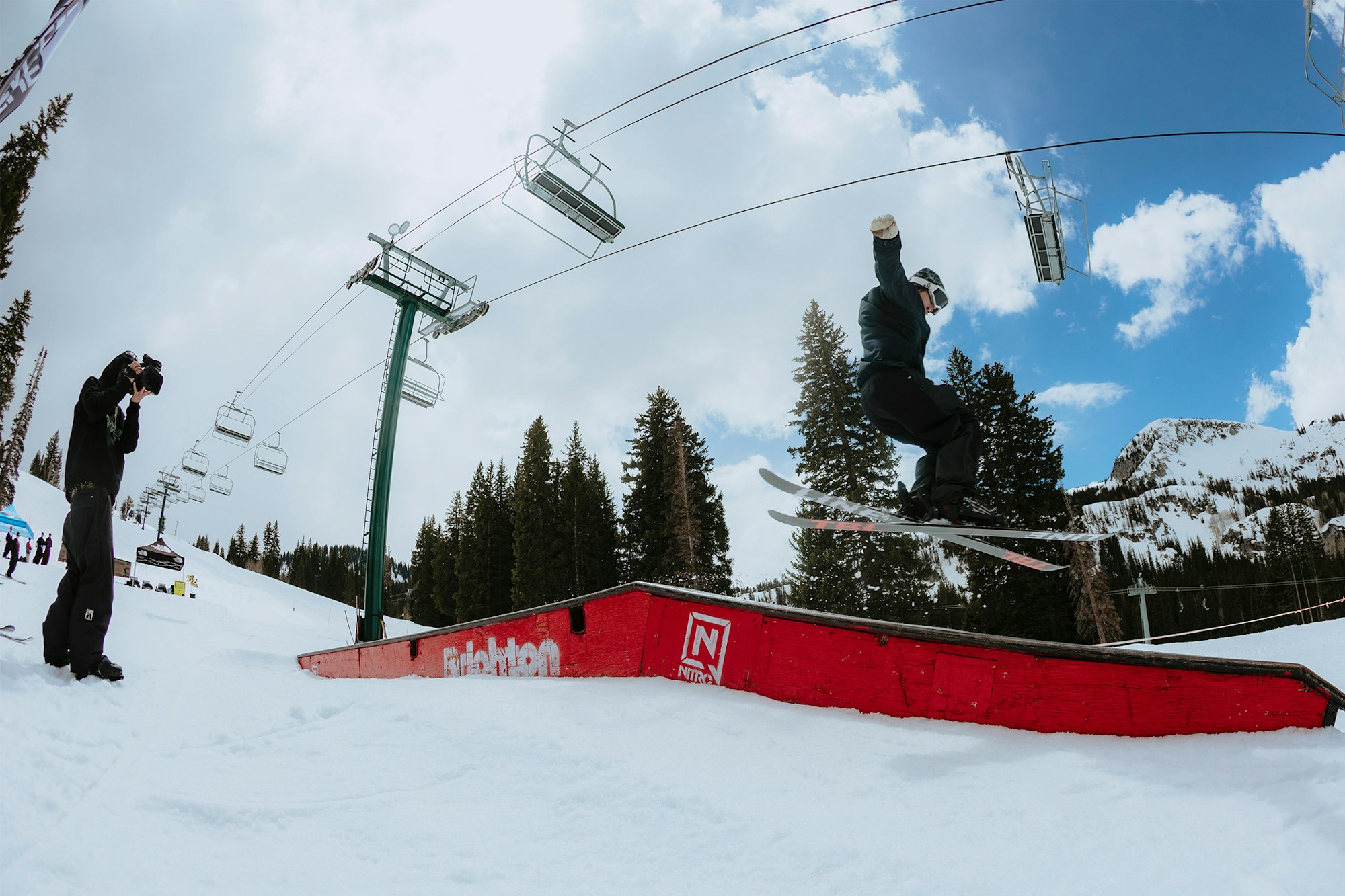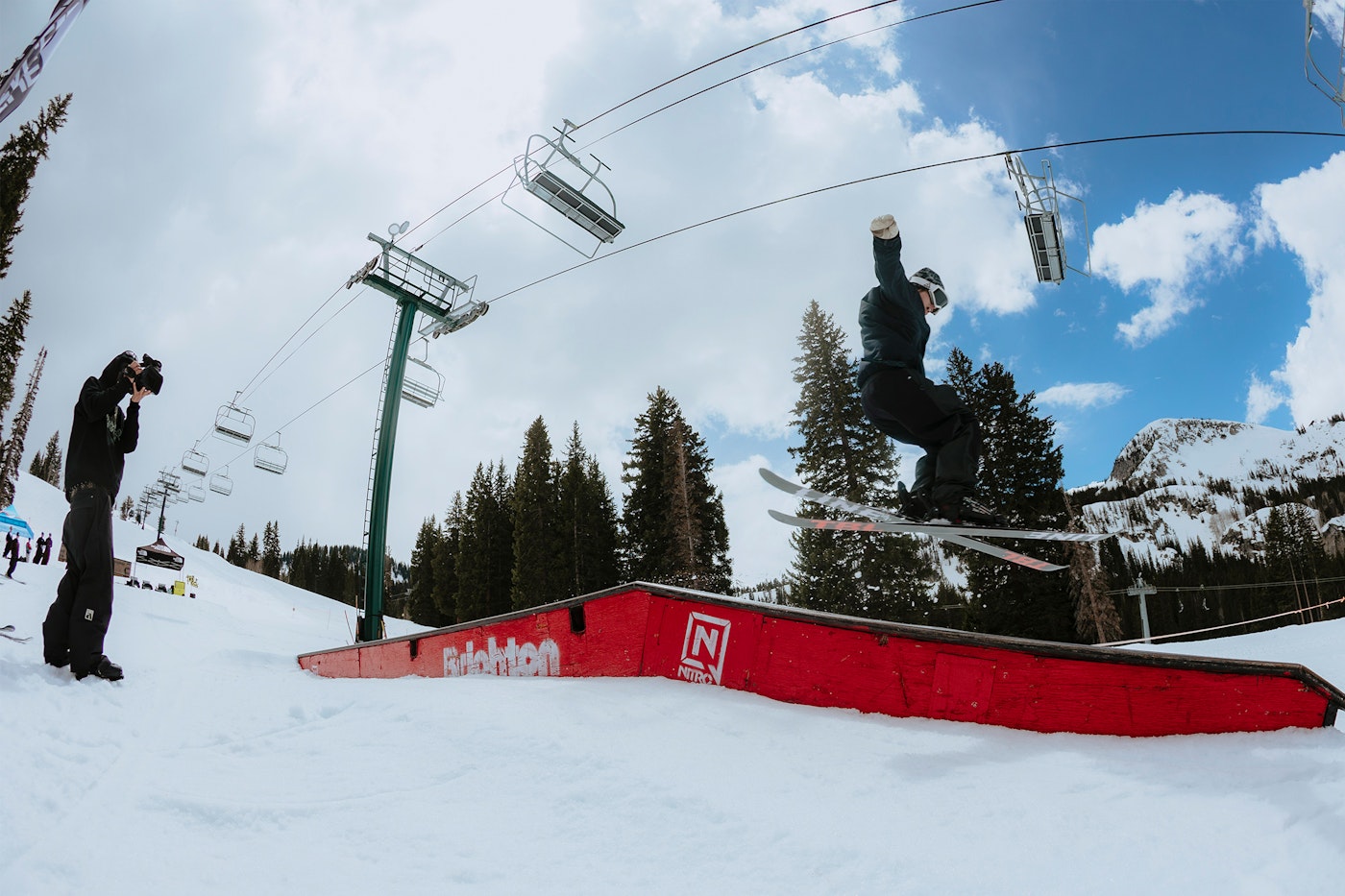
Featured Image: Matt Roebke | Location: Brighton Resort, Big Cottonwood Canyon, UT
Utah's Cottonwood Canyons are famous for two things: deep powder and seemingly endless traffic. While plans have been in the works for years, steps are being made to combat the red snake. In Big Cottonwood Canyon, a new environmental study released this month points to possible solutions.
The Big Cottonwood Canyon Environmental Assessment, which began in 2025, was recently released by the Utah Department of Transportation (UDOT). As stated by UDOT, the goal of the study was to "address winter-time traffic congestion on State Route (SR) 190," specifically, "reduce wintertime traffic congestion on SR-190 from the intersection of SR-190/Fort Union Boulevard in Cottonwood Heights through the town of Brighton in Big Cottonwood Canyon."
Importantly, the report's findings clearly state that the goal is to "provide enhanced bus service, tolling, a mobility hub, and resort bus stops for Big and Little Cottonwood Canyons." Bus services seem to be the primary transportation mode selected for the future of the canyons, given that the highly debated LCC gondola would be operational by the 2040s, at the earliest.
The environmental study, which helped determine the feasibility of the proposed new bus system, concluded with the publication of a Finding of No Significant Impact (FONSI) report. These reports detail why the proposed system would not drastically change the environment.
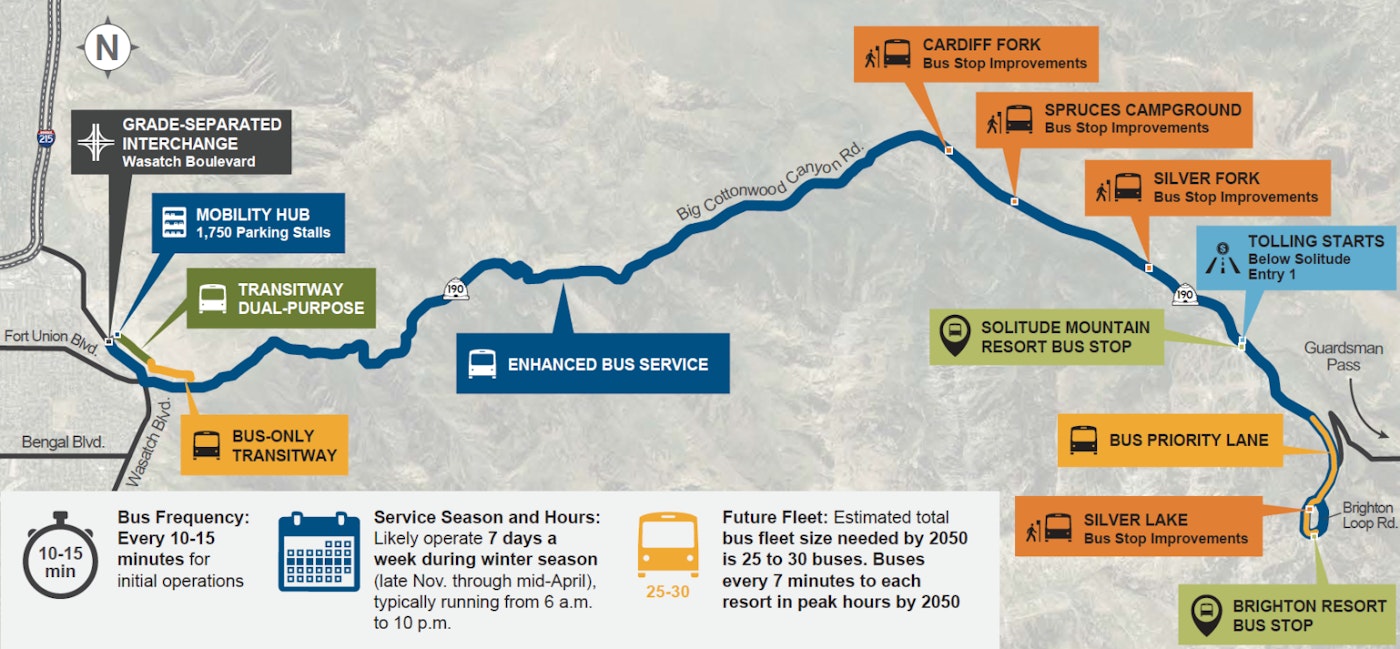
The new bus system proposed for Big Cottonwood Canyon
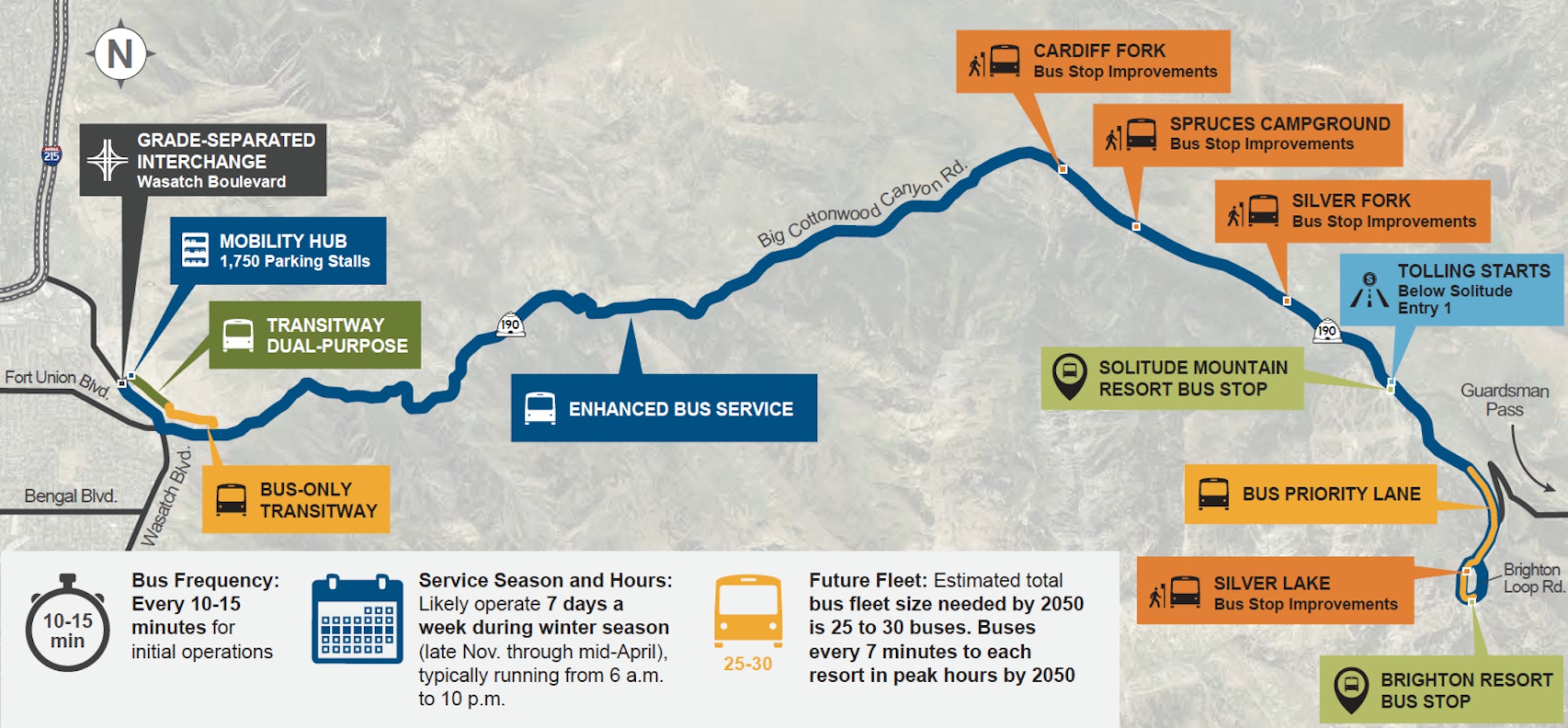
The new bus system proposed for Big Cottonwood Canyon
The bus system would include a new "mobility hub" station with over 1,700 parking spots at the mouth of BCC, improved bus stops throughout the canyon, resort bus stops, an additional bus lane at the Brighton Loop, variable-price tolling to encourage carpooling and public transit use, and more.
The proposed timeline seems ambitious, with the design and permitting process beginning this year, final design and permitting beginning in 2027, property acquisition and construction in 2027 as well, and final implementation starting in 2028. The plan also mentioned buses initially running every 10 to 15 minutes to each resort, with buses running every seven minutes by 2050. How it takes a whopping 25 years to streamline a bus system is beyond this simple skier.
“These improvements are designed to give people another reliable option to reach the canyon without sitting in hours of traffic," said Devin Weder, Cottonwood Canyons transit program manager. “This is about making canyon travel more predictable and less stressful. More frequent buses, better access and improved traffic management will help people spend less time waiting in traffic and more time enjoying the mountains.”
In total, the project is estimated to cost around $264.5 million, with $114 million already secured from the Little Cottonwood Canyon improvements for the mobility hub bus station. Of course, this raises the question of where that $100 million will come from when LCC ultimately receives a transportation upgrade of its own.
It's easy to hate on a new project for not being good enough, but if we strive only for perfection, traffic in the Cottonwood Canyons will only get worse. The important things are selecting projects that do not cause extensive environmental damage and putting tax dollars to good use. A bus system might not be everyone's dream, but it has significant potential to reduce emissions, encourage public transportation use, and save skiers money that would otherwise be spent on fuel and parking.

![[DEEP DIVE] RMU Apostle 3.0 Review](https://www.datocms-assets.com/163516/1751500324-copy-of-dscf2234.jpg?w=200&h=200&fit=crop)