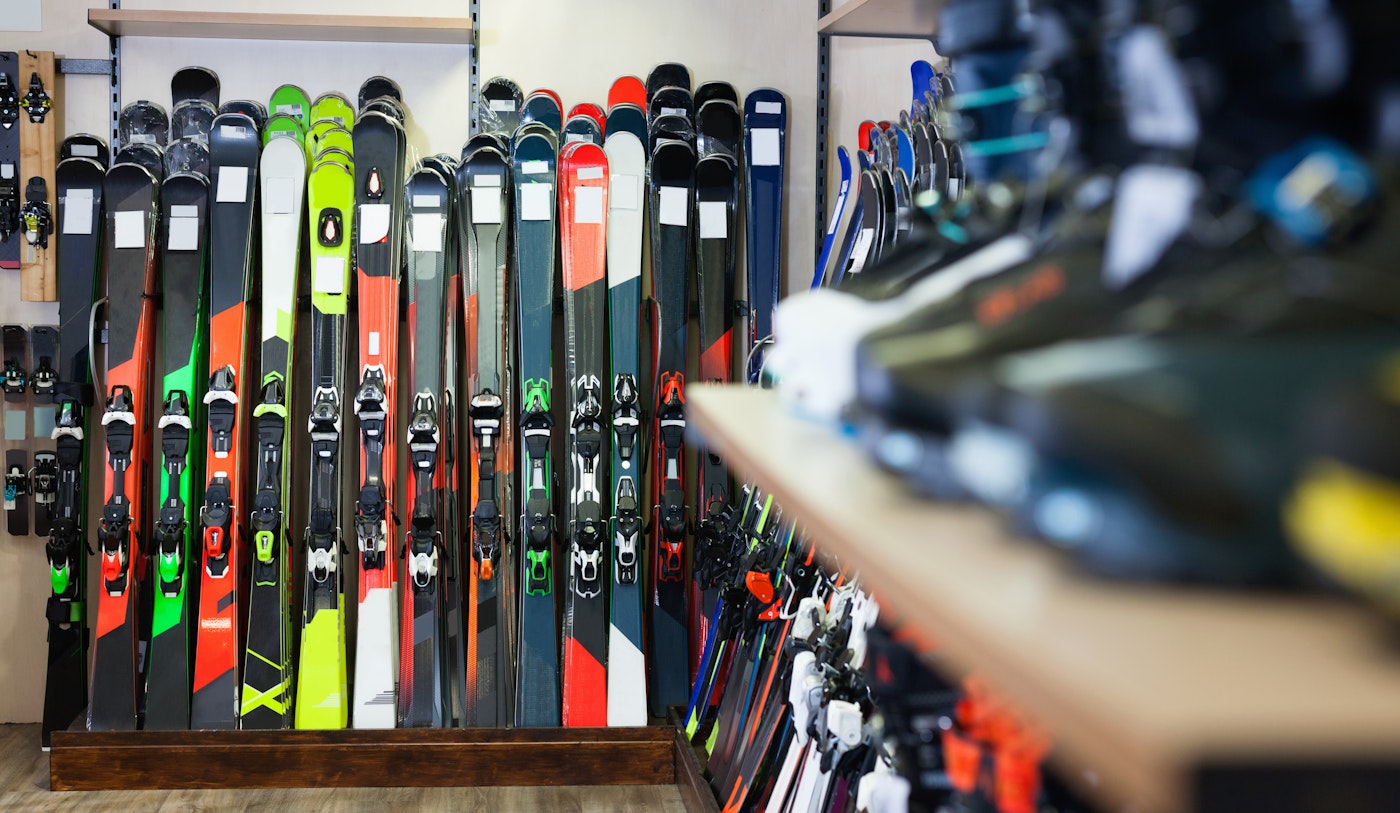
After working in a ski shop for three years, I have seen the common mistakes people make when buying new or used ski gear. Ski gear is constantly evolving and introducing new technologies in today’s ski industry, making it hard for people who don’t work in the ski industry to keep up with all these changes. Here are a few of the most common mistakes I see people make when buying new or used ski gear, so you can avoid the hassle and likely save some money. You might also want to have a pen and a pencil out, because there are a lot of rules I am about to tell you.
GripWalk
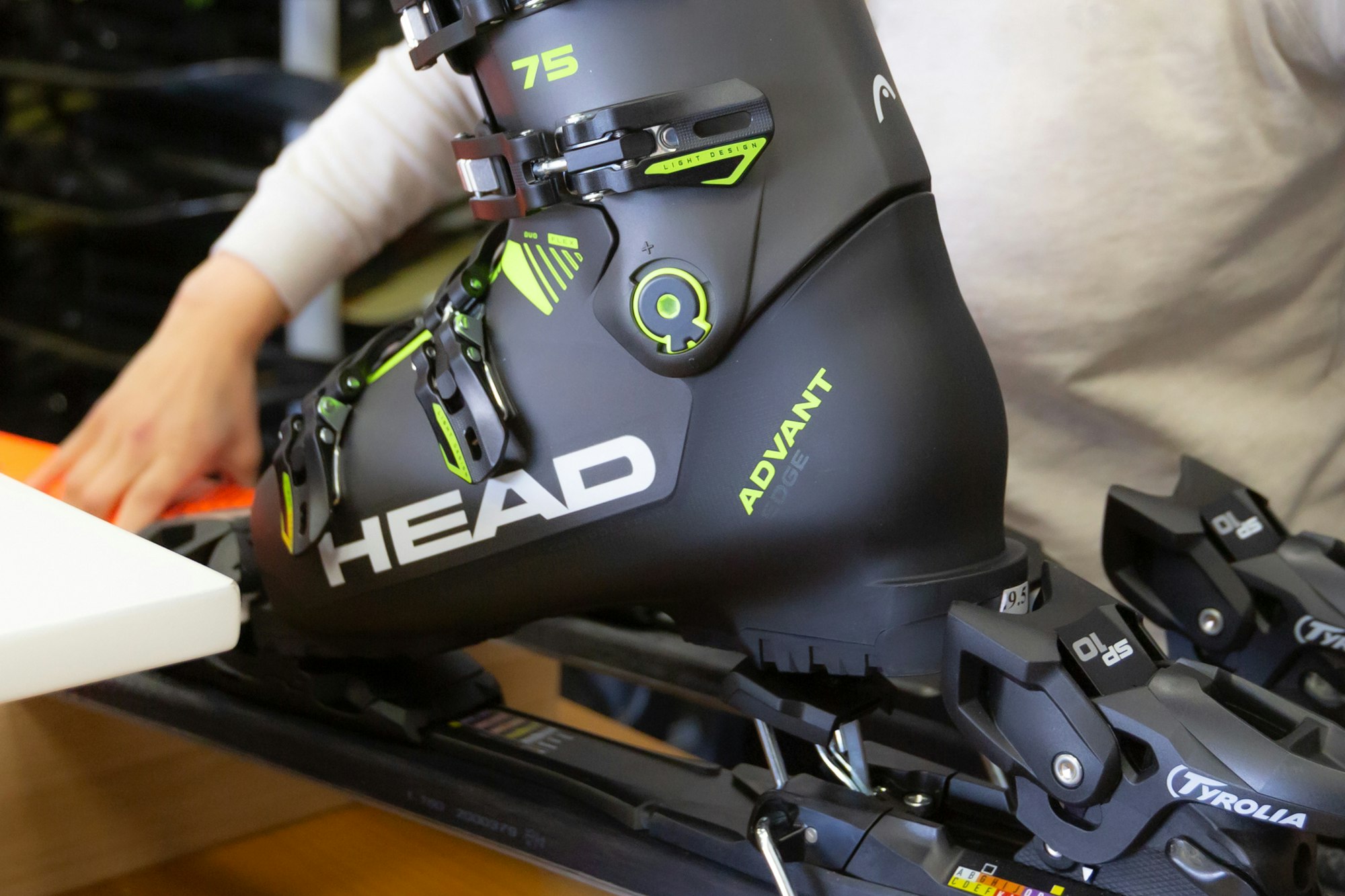
GripWalk technology has made its mark in the ski industry throughout this past decade, if you haven’t already seen it. GripWalk is a new sole (lug) for ski boots that improves traction and comfort when walking. While yes, this seems nice, it has caused issues with their ski bindings' compatibility. With that being said, bindings have also adapted to this new technology, creating GripWalk bindings because a GripWalk boot HAS to go with a GripWalk binding. This can get confusing, though, because a GripWalk binding CAN be used with an alpine (regular) boot. You can distinguish a GripWalk binding from an alpine binding because it will have the GripWalk label on the front binding either on or in front of the plate. But there are other bindings that might not say "GripWalk" that are also compatible with a GripWalk boot. Those bindings include Multi-Norm Compatible bindings (these are usually marked with an MNC just like how a GripWalk binding is marked), or Sole I.D. bindings, as well as some touring/hybrid bindings (ISO 5355 Alpine or ISO 9523 touring soles).
To make it easier
GripWalk Boot = GripWalk Binding
GripWalk Binding = GripWalk Boot or alpine boot

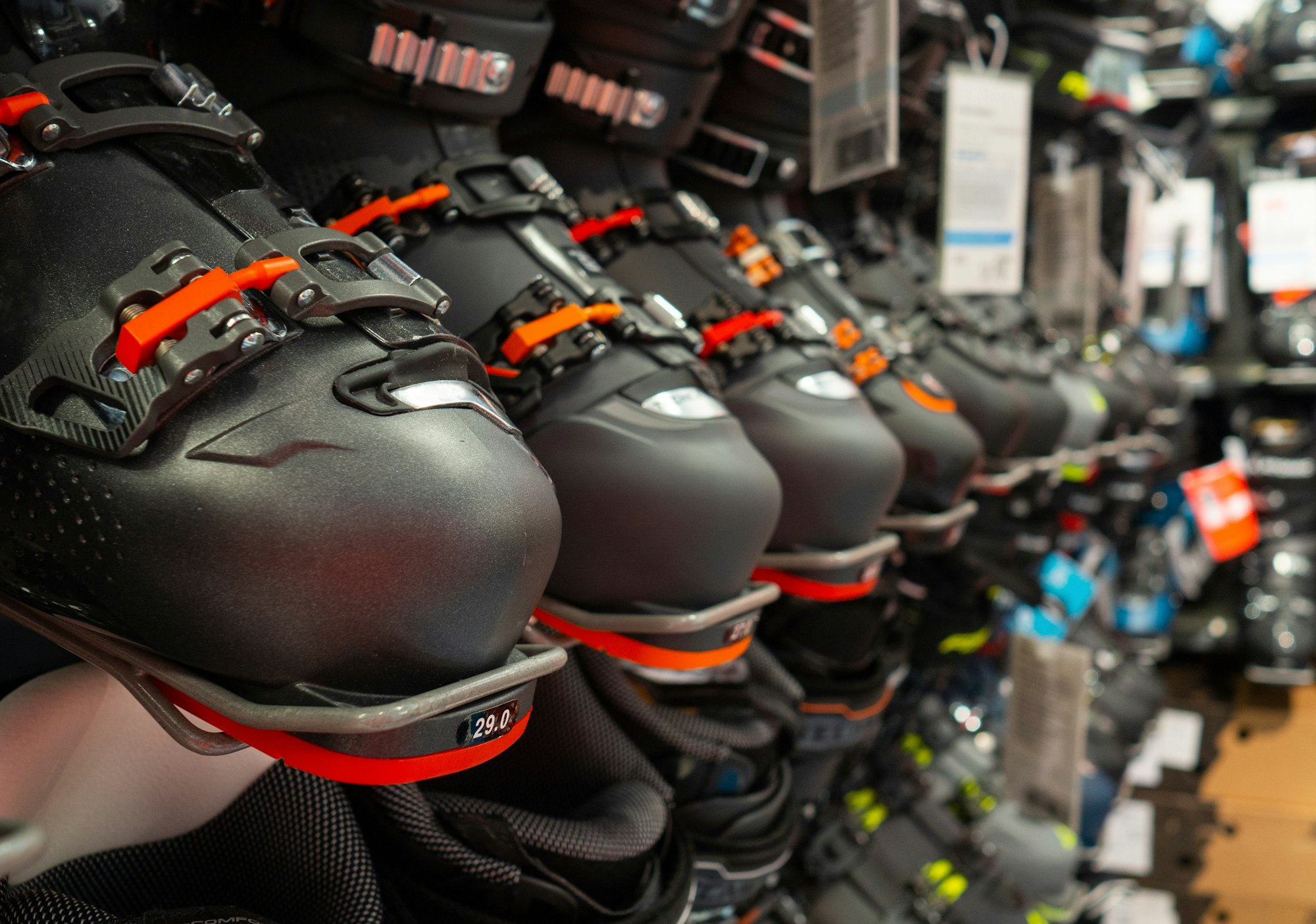
Alright, I know that was a lot, but at least now you might be saved if you know you already have a GripWalk boot or are about to buy one. No offense to boot fitters out there, but many don't warn people that most boots sold these days are only GripWalk, so customers can be messed up if they have a regular alpine binding after spending money on a new boot. Unfortunately, if you want a new boot but have older non-GripWalk bindings, you are gonna have to make two purchases (a new boot and bindings).

Mounting
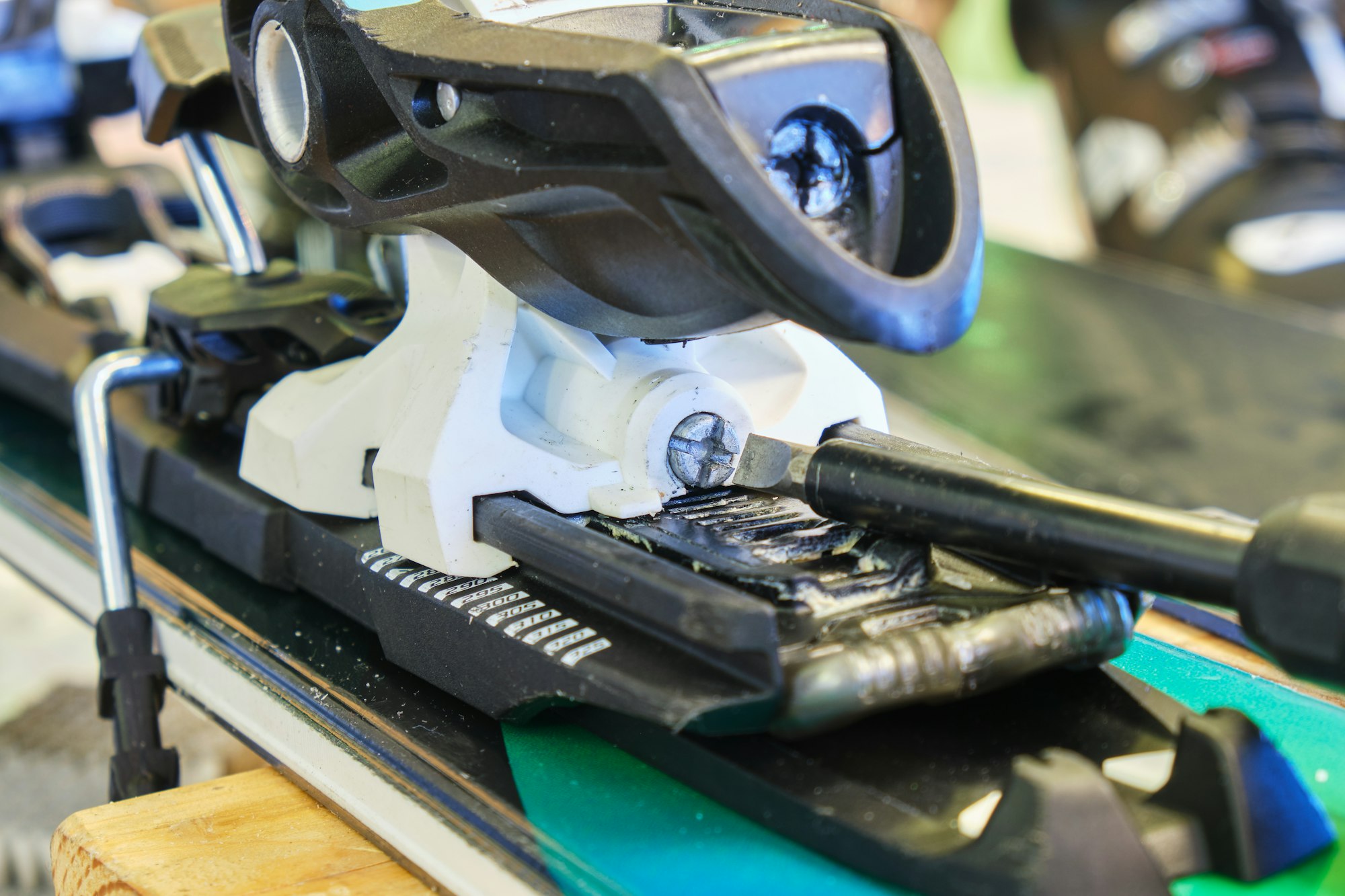
So, you just got a new boot and had to get new compatible bindings. Here’s your next step: mounting. There are some hidden rules in mounting that many don’t know about, though. A ski has up to three times in its lifetime to get drilled into for mounts. So, if you know your ski’s been drilled two times already, then you might want to think really hard about a new mount, as this would be your last re-mount. If your ski’s only been drilled once, then you are all good and still have two more times to re-mount. Also, many older skis are not compatible with newer bindings because they are too narrow for the bindings of this generation. Additionally, always make sure that when you buy a new binding, the brake width on your back binding is wide enough for your ski. While some ski shops may try to widen them, many won’t, as they risk breaking them. Last but not least, boot lugs (the soles) are extremely important to check when you want to get bindings mounted to your boots. If your lugs are worn down across the base of your boot, the technician will most likely turn you away or direct you to buy new ones, as it can disrupt the reliability of the boots' release in the binding, thereby causing a liability for the technician if they work with them. But the good news is that they are very easy to replace, and you can do it at home. Just look up your boot brand and the lugs for that boot, then order new ones. Once you get them, unscrew your old lugs from your boot and use the new screws that you get with your new lugs to replace them.
Indemnified v.s. Unindemnified bindings
Okay, so this rule is one of the ones that gets people the most, and I don’t blame them because it is honestly not universally talked about enough in the ski world. Let me break it down for you first: an indemnified ski binding is a model approved by the manufacturer as safe for certified technicians to work with (mounting and adjusting). An un-indemnified binding is a model that is no longer approved by the manufacturer as safe for either the ski technician to work on or for the skier to ski on. Basically, the binding is so old that it is no longer reliable (release settings are off or unsafe), and ski technicians cannot work on it. If you bring an un-indemnified binding into a ski shop, they will most likely turn you away, as it is a liability for them. Now, I know what you're thinking: okay, well, how am I supposed to know? Well, there are a few options. Most GripWalk bindings are all indemnified as they were made in the past decade. There are some regular alpine bindings that are still indemnified, but I would recommend bringing them to your local ski shop to have them checked, just in case. If your bindings are older than two decades, they are probably un-indemnified, and I would also have them checked at a ski shop.

Binding Adjustment and Safety Test (A&T)
Last but not least, while this might not be a mistake, it is a pro tip that’ll save you from a potential surgery bill in the long run. A binding adjustment and safety test is an annual test in which a certified technician checks the release rate of your boot in your bindings to ensure your bindings are still releasing properly. I usually try to do this before every season, but it is because I ski on my bindings at least 20 times each season. It is not a lie that skiing is unfriendly to the knees sometimes, so doing everything you can to help yourself and your knees out is smart, even if it costs some money.